MOVI.
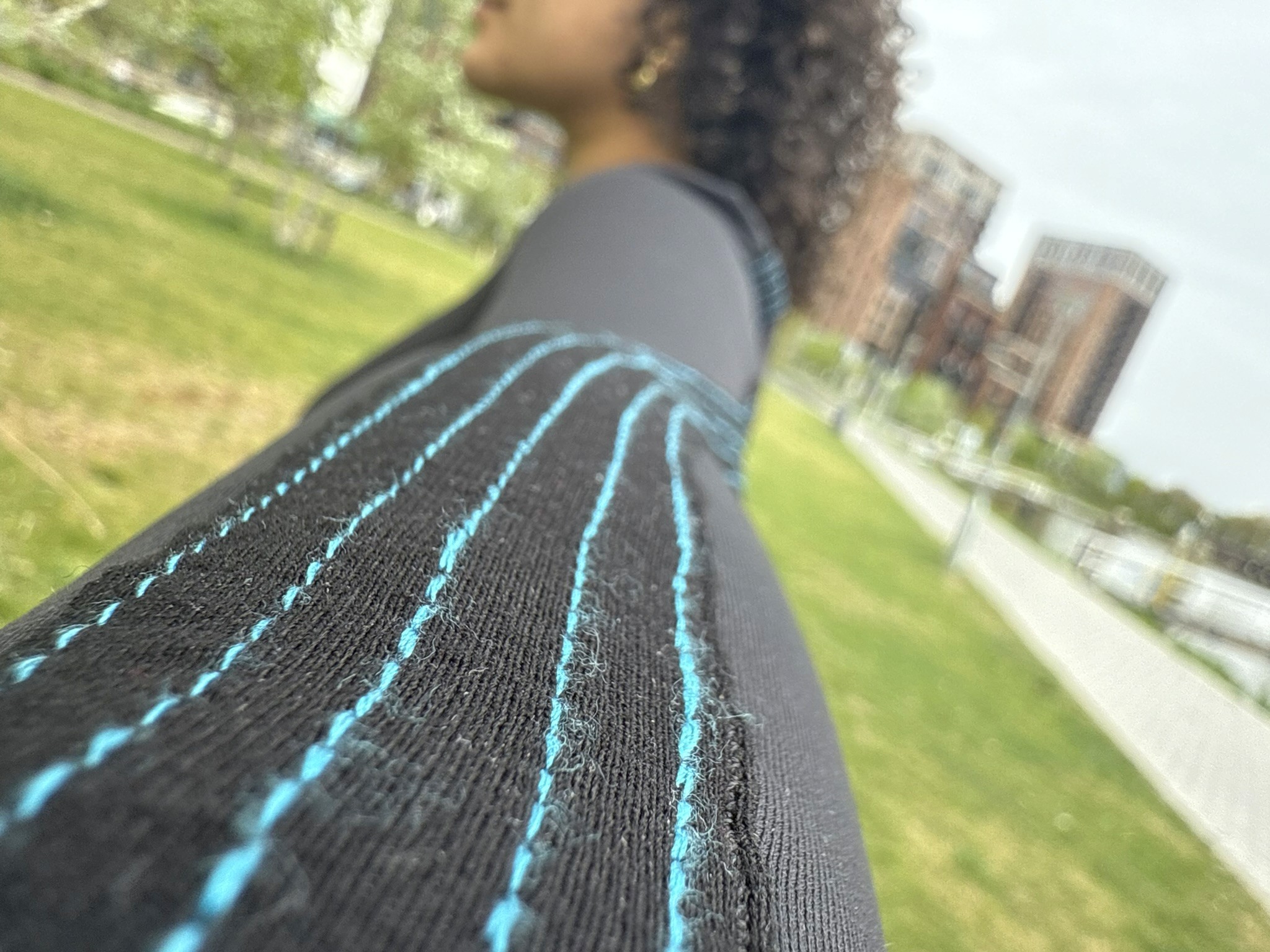
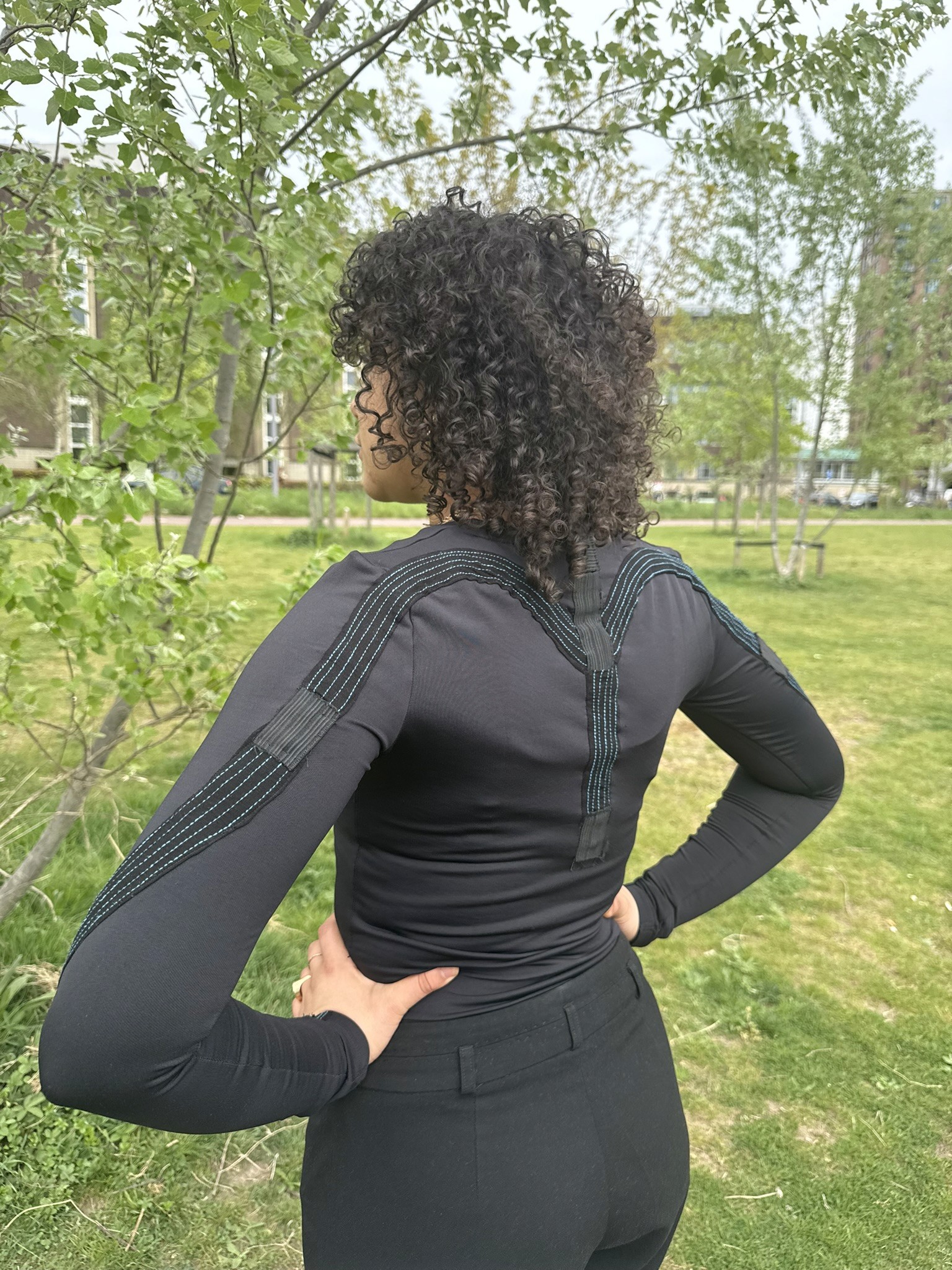
As healthcare systems face increasing pressure, rehabilitation is shifting from clinics into the home. Yet recovery still depends heavily on guidance, repetition, and motivation. MOVI explores how wearable technology can support a future where patients take a more active and autonomous role in their recovery process, while healthcare professionals remain connected through movement data and visual feedback. The project proposes a more accessible form of rehabilitation: one where exercises can be performed independently, inside or outside the home, while still allowing physiotherapists to monitor progress, explain movement patterns, and provide more informed feedback.
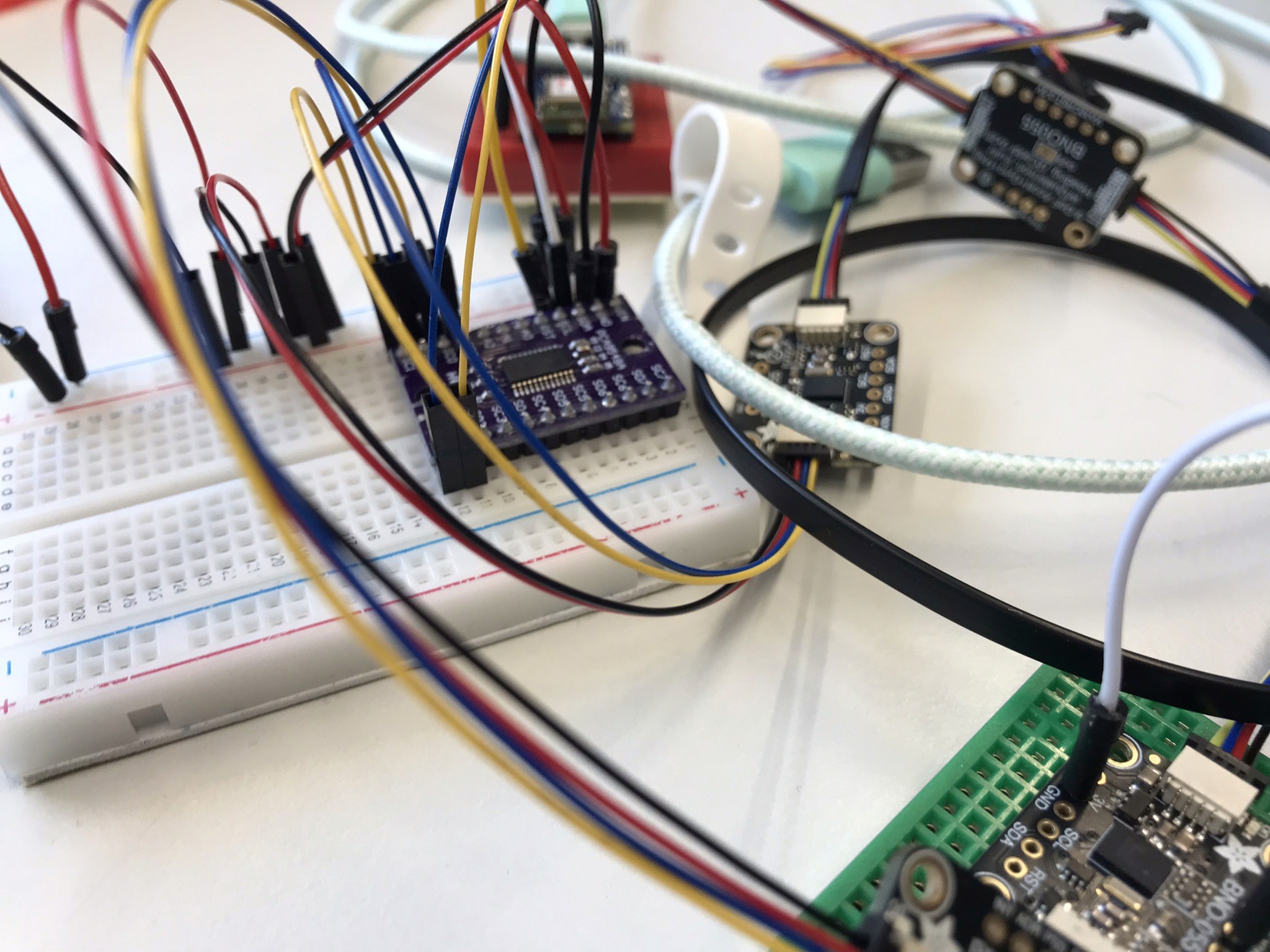

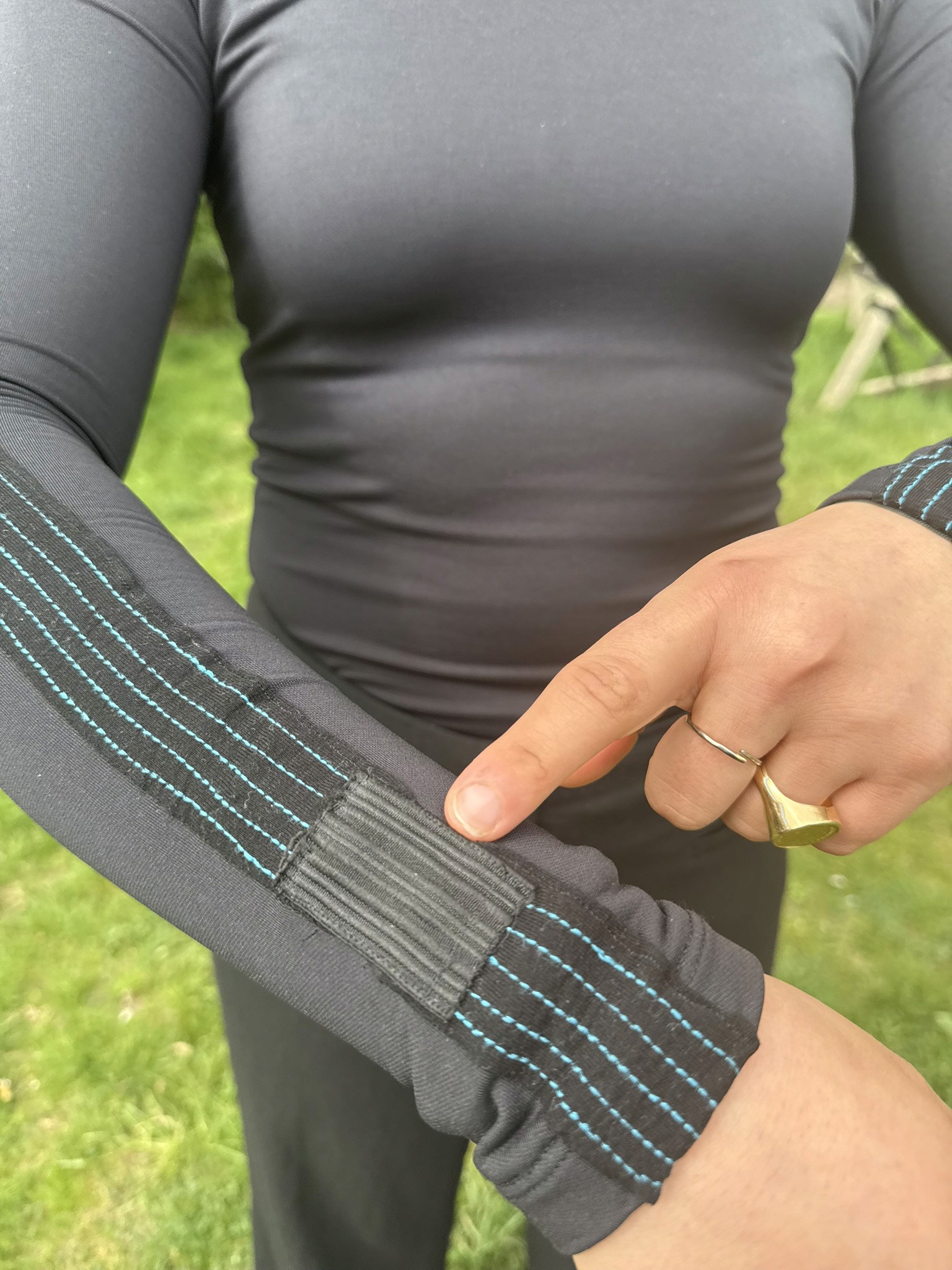
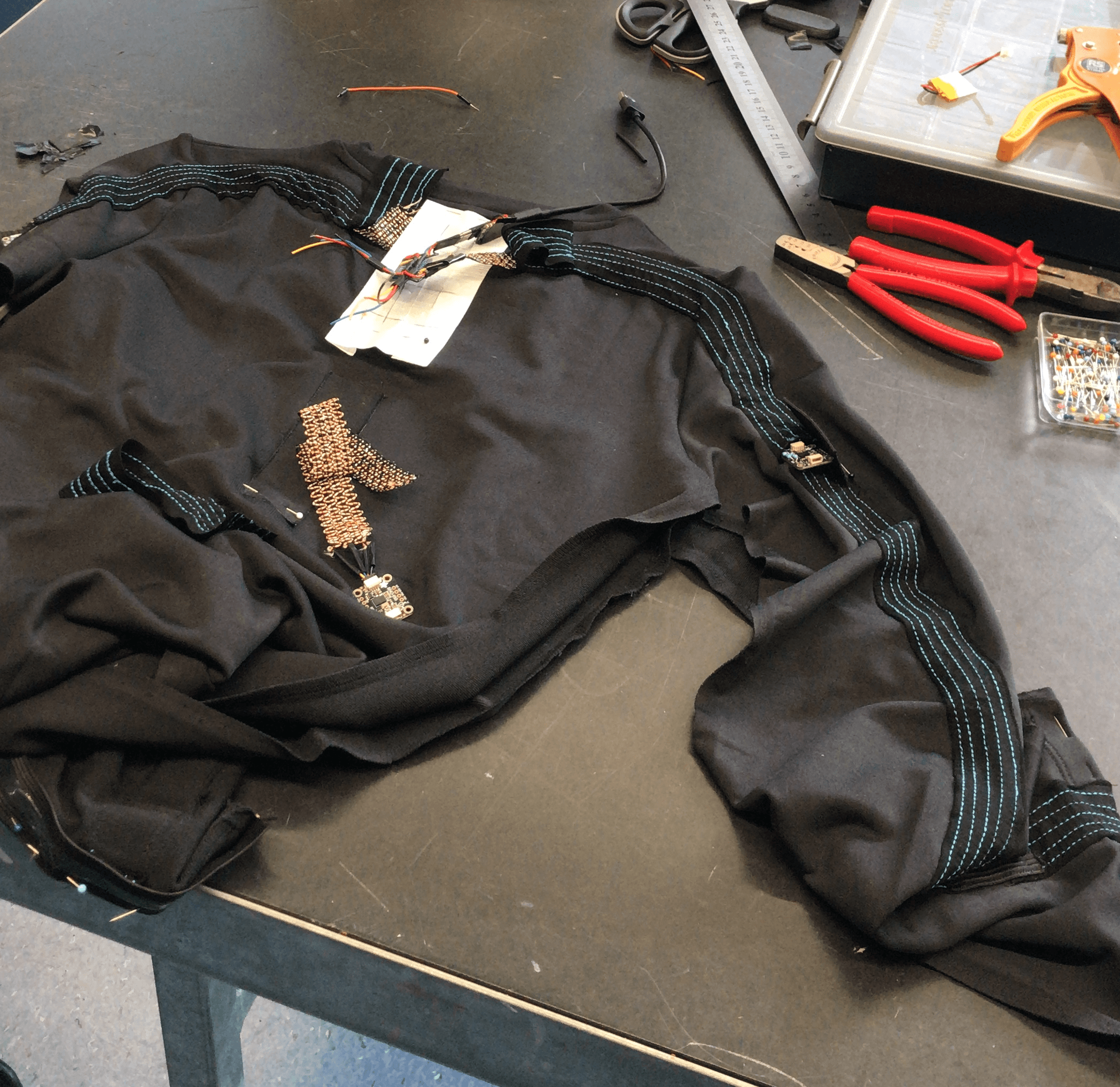
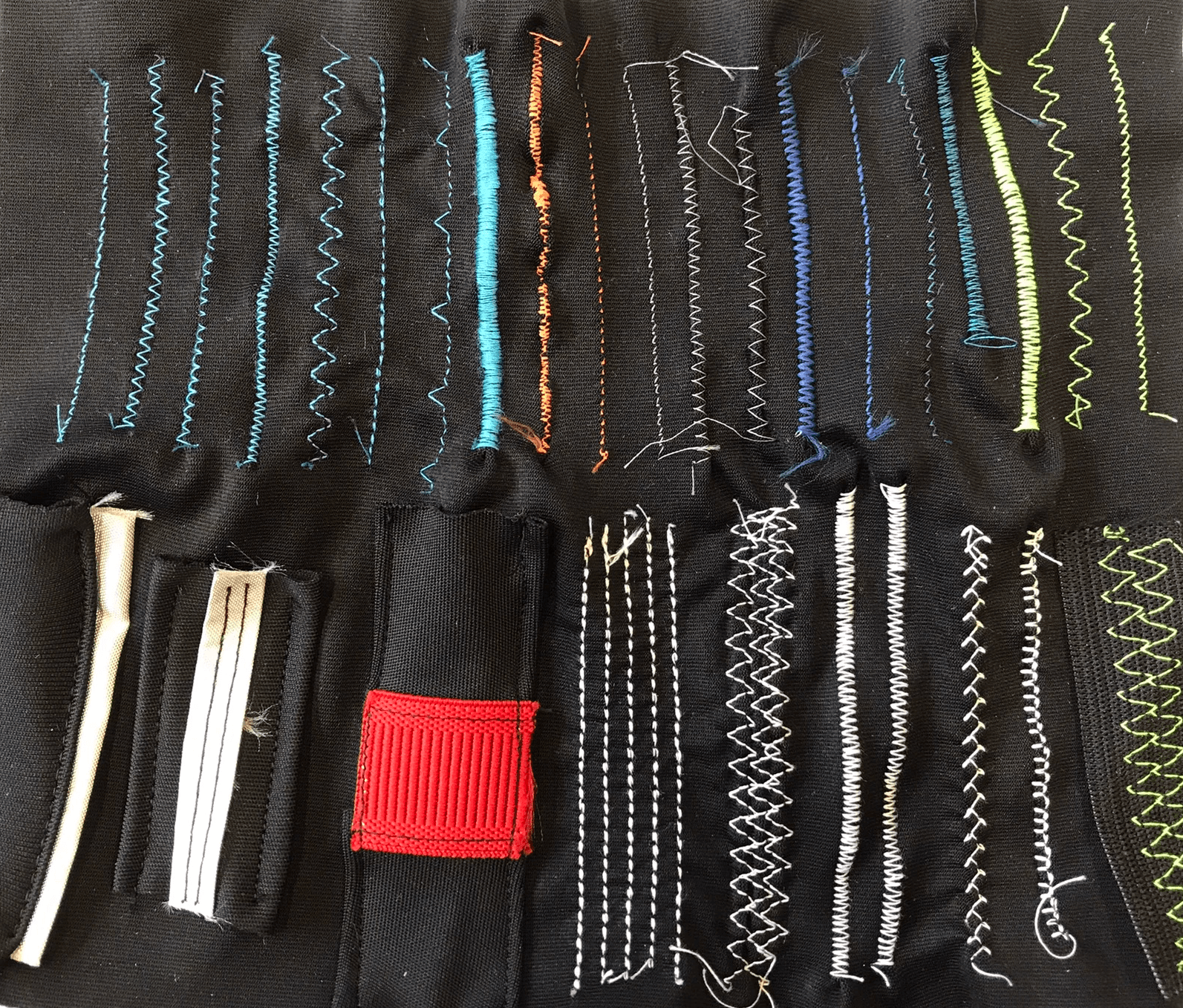
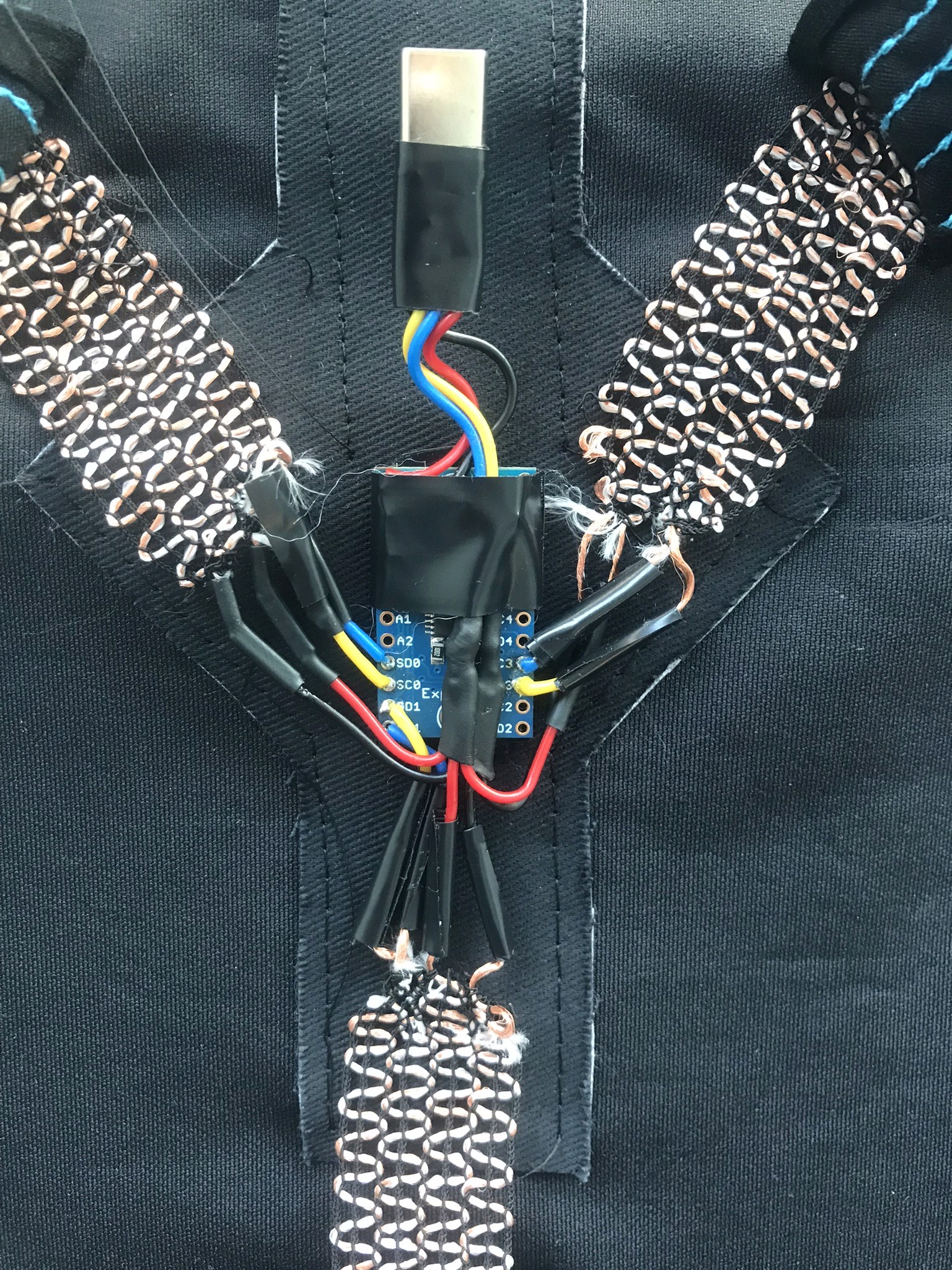
The shirt is designed to feel intuitive and unobtrusive. Patients simply put it on, connect via Bluetooth, and start moving. The elastic textile keeps the sensors aligned with the body, ensuring stable measurements during exercises. After the initial setup with a healthcare professional, the system gives users the freedom to train independently and integrate rehabilitation more naturally into daily life. Comfort and wearability became central design drivers throughout the project. Stretch fabrics and smart textile techniques were used to integrate electronics into the garment without compromising softness or movement. Conductive elastic thread routes signals between the sensors while allowing the textile to flex with the body. Reinforced elastic structures stabilise the sensors against the skin, improving both durability and measurement reliability. MOVI was developed entirely with open-source tools, using Arduino-based electronics, IMU sensors, and Blender for motion visualisation. By working with accessible technologies and self-developed integrations, the system can be produced at a fraction of the cost of existing commercial rehabilitation wearables, making advanced motion capture more accessible for broader healthcare applications.
The development process combined textile experimentation, electronics integration, programming, and user-centred design. I interviewed rehabilitation doctors and physiotherapists to understand current challenges in rehabilitation and benchmarked existing smart garments to identify limitations and opportunities. Through iterative prototyping and user testing, I explored how rigid electronics could be embedded into a soft, durable textile system while maintaining accurate movement capture. Alongside the physical garment, I designed and programmed the electronics architecture and developed a live visualisation pipeline that transforms movement data into real-time animation feedback. This project strengthened my ability to translate emerging technology into a functional and meaningful product, balancing open exploration with decision-making and technical feasibility. Since completing the project, new students have continued building upon the system, extending its development beyond the original prototype.
Supervision
Prof. KMB Jansen & Adrie Kooijman
Category
Textile Design / Meddesign / Prototyping
Time line
Nov 2024 - May 2025